
You don’t see it. You don’t hear it. But every hour, your home is breathing — and what it breathes in (and out) shapes the air your family lives in. When that silent system starts clogging up, the change isn’t dramatic… it’s gradual: heavier rooms, lingering odors, higher bills, unexplained discomfort. Maintaining your residential air exchanger isn’t just a technical routine — it’s the difference between a house that merely shelters and a home that actively protects.

Why proper maintenance of residential air exchangers matters more than ever
With indoor air pollution levels now 2-5 times higher than outdoor levels according to the EPA's 2024 findings, proper air exchanger maintenance has become critical for family health. Beyond air quality, neglecting your system can lead to costly repairs and safety hazards—did you know that poor ventilation maintenance contributes to fire prevention dryer ducts issues? Are you confident your home's air exchange system is protecting your family effectively?
Understanding your air exchange system before diving in
Your air exchanger operates through a surprisingly straightforward mechanism that becomes much easier to maintain once you grasp its basic components. At its core, the system consists of a heat recovery core, intake and exhaust ducts, fans, and a series of filters that work together to balance indoor air quality.
The heat recovery core represents the heart of your system, where stale indoor air transfers its thermal energy to fresh incoming air without the two airstreams mixing. This component requires gentle cleaning to preserve the delicate plates or tubes that facilitate heat exchange. Meanwhile, the intake and exhaust ducts channel air flow and accumulate dust and debris over time, demanding regular inspection and cleaning.
Understanding these components helps you recognize why different parts need specific maintenance approaches. The filters protect your system's internal mechanisms but can restrict airflow when clogged, while the fans ensure proper circulation but lose efficiency when dust builds up on their blades. Each element plays a crucial role in your system's overall performance and indoor air quality.
The essential steps for air exchanger maintenance: complete walkthrough
Proper air exchanger maintenance requires a systematic approach to ensure optimal performance and longevity. Following a structured cleaning process helps prevent common issues and maintains indoor air quality throughout the year.
Here's your complete maintenance walkthrough:
- Safety preparation: Turn off power supply and allow the unit to cool down for at least 30 minutes before starting any work
- Filter removal: Carefully extract both intake and exhaust filters, noting their orientation for proper reinstallation
- Filter cleaning: Rinse filters with warm water and mild detergent, allowing them to air dry completely
- Core inspection: Remove the heat recovery core and examine for damage, cracks, or excessive dirt buildup
- Core cleaning: Gently rinse the core with lukewarm water, avoiding high pressure that could damage delicate components
- Duct cleaning: Use a soft brush to remove debris from accessible ductwork and intake/exhaust vents
- Component reassembly: Install dry filters and core in correct positions, ensuring proper sealing
- Final testing: Restore power and verify proper operation, checking for unusual noises or vibrations
Remember to document your maintenance dates for future reference and optimal scheduling.
Professional-grade tools and materials that make the difference
The right equipment transforms air exchanger cleaning from a frustrating chore into an efficient maintenance task. Professional-grade tools ensure thorough cleaning while protecting delicate components from damage during the process.
Start with a high-quality vacuum equipped with HEPA filtration to capture fine particles without redistributing them into your home's air. A soft-bristled brush attachment prevents scratching sensitive heat exchanger cores, while telescoping brushes reach deep into ventilation pathways that standard tools cannot access.
For cleaning solutions, mild dish soap mixed with warm water effectively removes most buildup without harsh chemicals. Avoid bleach-based products that can corrode metal components or damage plastic housing. A spray bottle allows controlled application, preventing oversaturation that could damage electrical connections.
Essential safety equipment includes dust masks rated N95 or higher, safety glasses, and work gloves. These items protect against airborne particles and sharp edges commonly found in older units. A headlamp or flashlight illuminates dark spaces, ensuring you don't miss critical areas during inspection and cleaning.
Warning signs that indicate immediate cleaning is required
Your air exchanger may be silently signaling for help through several unmistakable warning signs. The most obvious indicator is visible dust accumulation around vents and intake grilles. When you notice thick layers of dust or debris clinging to these surfaces, it's a clear sign that your system is working overtime to pull air through clogged components.
Strange noises shouldn't be ignored either. If your air exchanger starts producing unusual grinding, rattling, or whistling sounds, the internal components are likely struggling against accumulated dirt and debris. These sounds often indicate that fans are working harder than necessary, which can lead to premature motor failure if left unchecked.
Performance issues become apparent through stuffy indoor air and increased humidity levels. When your home feels stagnant despite the system running continuously, or when condensation appears unexpectedly on windows, your air exchanger isn't effectively removing moisture and pollutants. This deterioration in air quality can trigger respiratory issues and create an environment where mold and bacteria thrive.
The most concerning consequence of ignoring these warning signs is the rapid decline in indoor air quality, which directly impacts your family's health and comfort.
Optimal cleaning frequency and seasonal considerations
Most homeowners wonder how often they should clean their air exchanger to maintain optimal performance. The frequency depends largely on your home's environment and usage patterns. In typical residential settings, a thorough cleaning every three to six months ensures efficient operation and healthy indoor air quality.
Seasonal changes significantly impact your cleaning schedule. During spring and fall, when pollen counts peak and heating systems transition, plan for more frequent maintenance. Summer months with high humidity may require additional filter checks, while winter often brings increased indoor cooking and fireplace use that accelerates dust accumulation.
Several factors influence your specific cleaning timeline. Homes with pets typically need monthly attention due to hair and dander buildup. If family members have allergies or respiratory conditions, consider bi-monthly cleaning to minimize irritants. New construction or recent renovations also warrant more frequent maintenance as construction dust settles throughout the ventilation system.
Creating a preventive maintenance calendar helps avoid emergency repairs and maintains consistent air quality. Mark your calendar for regular inspections, noting any unusual sounds or reduced airflow that might indicate immediate attention is needed.
When to call professionals versus handling it yourself
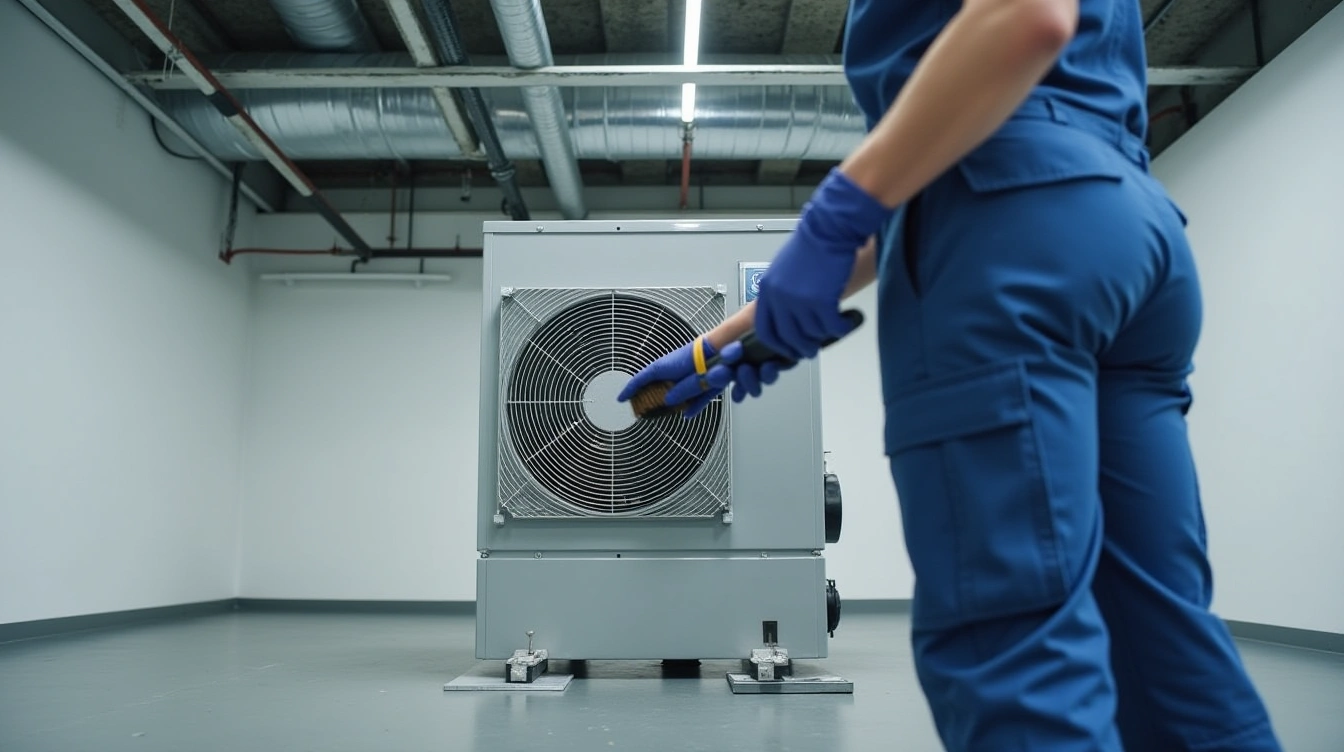
Basic air exchanger maintenance like changing filters and cleaning accessible surfaces falls well within the DIY territory. Most homeowners can handle these routine tasks with standard household tools and a bit of patience. However, the line between amateur maintenance and professional intervention becomes crucial when dealing with internal components or electrical systems.
Professional expertise becomes essential when your air exchanger shows signs of motor issues, unusual noises, or significant performance drops despite regular cleaning. These symptoms often indicate problems with internal mechanisms that require specialized diagnostic equipment and technical knowledge. Attempting complex repairs without proper training can lead to expensive damage or safety hazards.
The risks of improper maintenance extend beyond equipment failure. Incorrectly reassembled components can create air leaks that reduce efficiency and increase energy costs. More seriously, damaged electrical connections pose fire hazards that compromise your home's safety. Professional technicians bring both the expertise to identify underlying issues and the proper tools to ensure safe, effective repairs.
Your most common air exchanger maintenance questions answered
Homeowners frequently ask similar questions about air exchanger maintenance. Understanding the basics can help you maintain better indoor air quality and avoid costly repairs down the line.
How often should I clean my air exchanger?
Clean filters monthly and perform deep cleaning every 3-4 months. High-usage periods like winter heating season may require more frequent attention for optimal performance.
What tools do I need to clean an air exchanger myself?
Basic cleaning requires a vacuum, soft brush, mild detergent, and clean cloths. For thorough maintenance, you'll also need a screwdriver to access internal components safely.
Can I clean my air exchanger without calling a professional?
Yes, basic filter cleaning and exterior maintenance are DIY-friendly tasks. However, complex repairs or annual deep cleaning often benefit from professional expertise and specialized equipment.
What happens if I don't clean my air exchanger regularly?
Neglected units develop reduced airflow, higher energy costs, and poor indoor air quality. Accumulated debris can damage motors and heat recovery cores, leading to expensive replacements.
How do I know when my air exchanger needs cleaning?
Watch for visible dirt buildup on vents, unusual noises, reduced airflow, or musty odors. These signs indicate immediate cleaning attention is required for proper operation.
Should I hire professionals for air exchanger maintenance?
Professional maintenance ensures thorough cleaning of hard-to-reach components and proper system calibration. Experts can identify potential issues before they become costly problems, extending equipment lifespan significantly.